
Health & Wellness Blog
Expert insights and resources from Sacramento Community Clinics to help you and your family stay healthy
Find Your Results Faster
To schedule an appointment at any clinic, call us at
Stay Connected With Us
Featured Blog
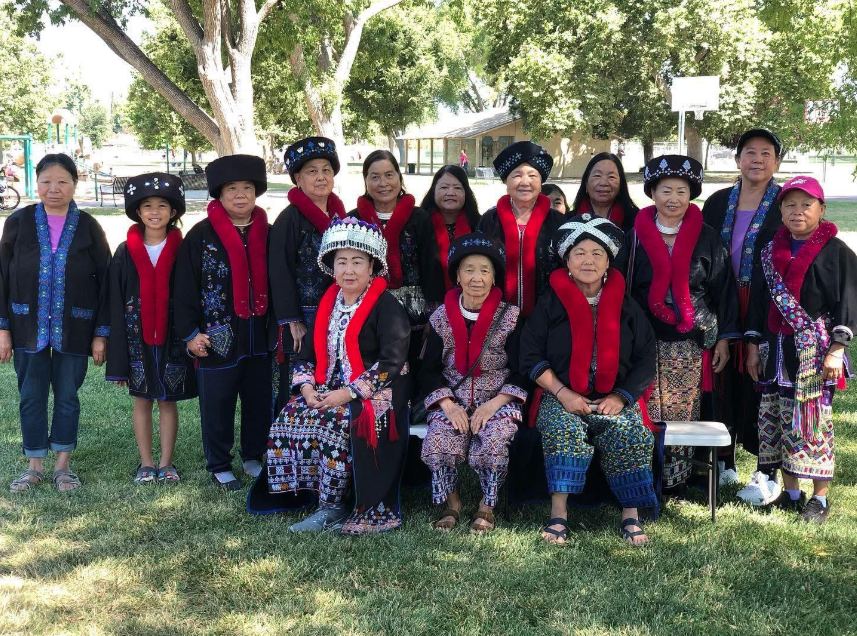
HALO is proud to collaborate with Health Net and Iu Mien Community Services to plan a flu vaccination clinic during the Iu Mien Lunar New Year Celebration, a culturally meaningful community event.
Latest Blogs

With the new school year officially underway across Sacramento, local families are settling into their daily routines. Between managing morning drop-offs, keeping up with homework, and coordinating after-school schedules, staying on top of your family's health is more important than ever. Among all the school supply lists and schedule shifts, one task remains essential for every student: getting up to date on routine healthcare. From required school physicals and sports clearances to annual vision checks and routine immunizations, starting the academic year healthy is the foundation for a successful school year. At Halo , we believe every child in Sacramento deserves a healthy start to the school year—and every family deserves convenient, compassionate, and affordable care close to home. Healthcare That Works for Every Sacramento Family Navigating the healthcare system shouldn't add stress to your back-to-school routine. Whether your family is covered by Medi-Cal, private commercial insurance, or currently lacks insurance coverage altogether, Halo is here to ensure your children receive the high-quality care they need without financial strain or unnecessary delays. Here is how Halo supports Sacramento families during back-to-school season and all year round: Care Regardless of Insurance Status: We accept a wide range of coverage options, including Medi-Cal and private health plans. If you are currently uninsured or underinsured, we offer affordable options so your family never has to compromise on essential care. Comprehensive School & Sports Physicals: Many local school districts and youth sports leagues require completed physical forms before students can step onto the field or enter the classroom. Our clinical teams provide thorough checkups to evaluate growth, physical development, and overall wellness. Routine Immunizations & Boosters: Staying current on state-required vaccines protects both your child and the broader Sacramento community. We make routine vaccinations straightforward, quick, and stress-free. Whole-Family Primary Care : While you're getting the kids ready for school, don't forget your own health. Halo offers primary care services for family members of all ages, making it easy to coordinate care for the entire household in one place. Join Our Mission: Explore Healthcare Careers at Halo Delivering accessible, high-quality care across Sacramento requires a team of dedicated, passionate professionals. As our clinics continue to grow to meet community needs, Halo is actively seeking healthcare professionals who share our commitment to compassionate community care. Whether you are a medical provider, nurse, medical assistant, or administrative professional, working at Halo means making a direct, positive impact on local families every day. If you are looking to advance your career within a supportive, community-focused organization, we would love to connect with you. Visit the Halo Careers Page on our website to view current job openings and apply today. Schedule Your Child's Back-to-School Visit Today Don't wait for the last-minute rush before the first bell rings. Help your students step into the classroom feeling healthy, confident, and prepared. To schedule a back-to-school checkup or learn more about our primary care services, contact us today. Medical Disclaimer: This article is provided for general educational purposes only and is not a substitute for professional medical advice, diagnosis, or treatment. Always consult with a qualified healthcare provider regarding specific medical conditions, immunizations, or physical requirements for your child.

Healthcare is not a stagnant profession; it is a path of development and impact that changes with time. Of all the healthcare professions out there, nursing is arguably the most exciting career path in medicine—it operates on the principle of a ladder, with individuals being able to fast track their way into employment, gain valuable clinical skills, and climb up through the ranks via education and autonomy. Understanding the levels of nursing education is the essential part of building a career in healthcare. From Patient Care to Clinical Expertise: The Path of a Nursing Ladder Many nurses begin their journey at the level of bedside care. CNAs play the role of human interaction at the bedside by helping patients with their basic needs such as personal hygiene and mobility and by monitoring their vital signs after receiving a 4- to 12-week certificate program. Building on this foundation, LPNs complete a one-year vocational program to be able to administer medications and wound care as well as perform clinical assessments following orders from a physician or RN. Those who plan on becoming fully involved in the process of clinical management have two possible ways to become a nurse. ADN is obtained within two years, providing quick access to the field of clinical nursing practice. BSN takes four years to complete, providing students with more knowledge about leadership, community health, and evidence-based practice. Both graduates need to take the same NCLEX-RN license examination to work in the field of clinical nursing. At the pinnacle of clinical practice stands Advanced Practice Registered Nurses, such as FNPs. Having obtained an MSN or DNP, Nurse Practitioners move from carrying out a treatment plan to creating one. Being highly autonomous, NPs conduct physical assessments, diagnose complicated problems, order and interpret various tests, prescribe medications, and provide all-around healthcare services for the whole family. The Educational & Scope Overview

Medical Disclaimer: This article is for general educational purposes only and is not a substitute for professional medical advice. Always follow your doctor's instructions, especially regarding chronic conditions, medications, or fluid restrictions. If you suspect heat stroke or a medical emergency, call 911 immediately. Summer brings longer days, sunny outdoor gatherings, and plenty of opportunities to create lasting memories with family. But when temperatures surge into heat wave territory, extreme heat becomes more than an inconvenience, it poses a genuine health risk. Older adults, young children, family caregivers, and individuals with chronic health conditions face elevated risks for heat-related illness when summer temperatures peak. Important: People with medical conditions, fluid restrictions, or medications that affect hydration or heat tolerance should consult their healthcare professional for individualized guidance. At Halo, our mission is to deliver proactive, caring health guidance that keeps your family safe, comfortable, and supported year-round. This guide breaks down actionable, doctor-informed steps to help you manage your indoor environment, choose hydrating foods, adapt your physical activity, and recognize emergency warning signs before a minor issue becomes dangerous. 1. Stay Cool Indoors and Adjust Your Environment Keeping your home safe during extreme heat requires a proactive approach to indoor temperature management. When outdoor temperatures exceed normal body temperature, unconditioned homes can trap heat quickly. Optimize Air Conditioning: Set central AC thermostats to an efficient setting (around 78°F when you are home) to balance indoor comfort with energy strain. If central AC isn't available, concentrate window units in key spaces like bedrooms or living areas where family members spend the most time. Block Radiant Heat: Close blinds, shades, or blackout curtains on sun-facing windows during peak daylight hours (10:00 a.m. to 6:00 p.m.) to prevent solar radiation from heating room interiors. Time Window Ventilation: Open windows during cool overnight hours or early mornings to encourage cross-ventilation. Close them securely as soon as outdoor temperatures match or exceed your home's internal temperature. Limit Internal Heat Sources: Avoid using stoves, ovens, or large heat-generating appliances during peak warmth. Choose raw meals, outdoor grilling in shaded areas, or quick microwave preparations instead. Utilize Local Cooling Centers: If your home lacks functional air conditioning and internal heat reaches unsafe levels, take advantage of public cooling shelters, local libraries, or community centers equipped with climate control. 2. Smart Hydration: Beyond Just Drinking Water Effective hydration during a heat wave requires consistent fluid intake and mineral balance rather than simply drinking water when thirst strikes. Waiting until you feel thirsty often means mild dehydration has already set in. Hydration Best Practices Sip Frequently: Drink small amounts of fluids continuously throughout the day rather than drinking large volumes all at once. Aim for a steady pace of a few sips every 15–20 minutes. Avoid Dehydrating Beverages: Limit drinks high in sugar, alcohol, or heavy caffeine content. These act as diuretics or increase fluid loss through metabolism, making dehydration worse. Replenish Electrolytes When Needed: During prolonged heavy sweating or extended activity outdoors (such as working or exercising in high heat for hours), electrolyte-infused beverages or oral rehydration solutions can help replenish lost minerals. For ordinary daily indoor activities, plain water is usually sufficient unless otherwise advised by your physician. 3. What to Eat (and Avoid) During Extreme Heat Digestion naturally produces heat within the body—a physiological process known as diet-induced thermogenesis. Digesting heavy, high-fat, or complex foods forces your metabolic system to work harder, which can leave you feeling warm or sluggish. Caregiver Tip: Transition your family toward smaller, more frequent meals throughout the day. Light meals ease the digestive load, preventing that heavy, overheated feeling after eating.
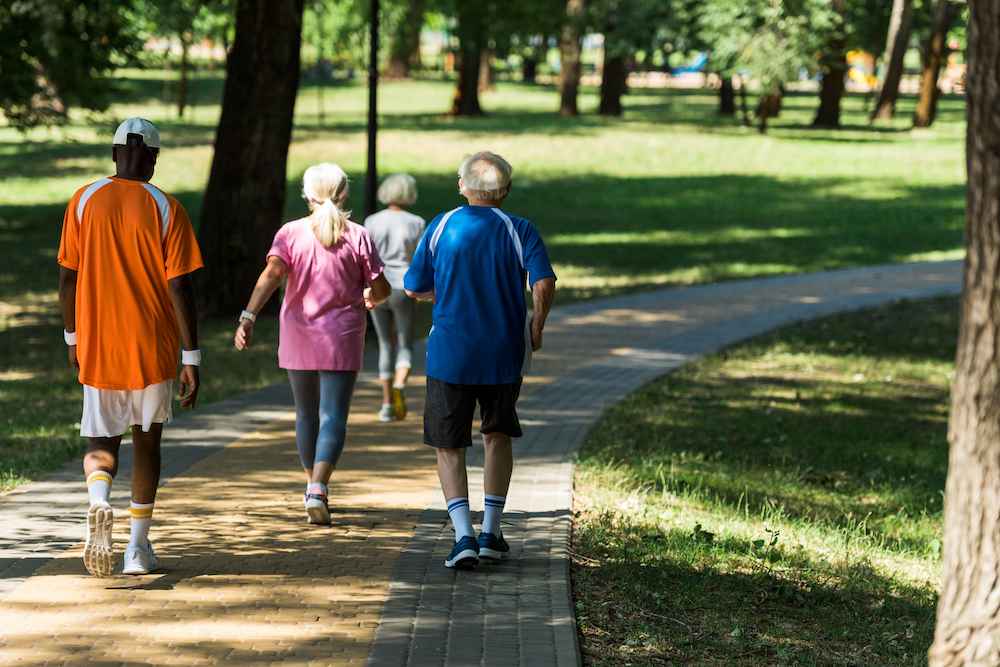
At HALO (Health And Life Organization), we focus on both sides of care: helping people prevent illness before it starts, and supporting them if it does.
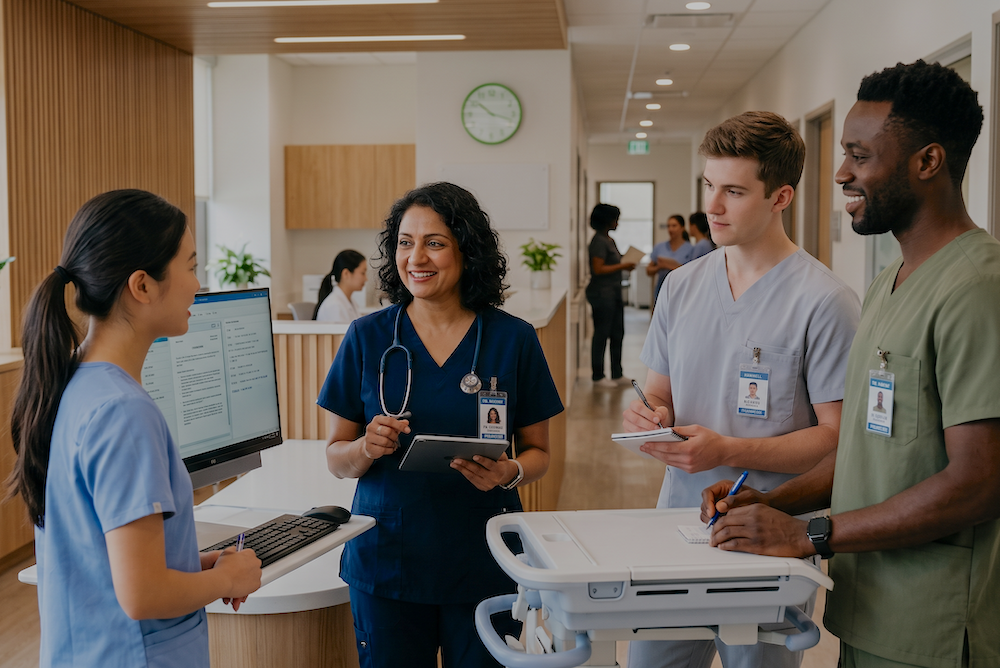
Health And Life Organization, Inc., dba Sacramento Community Clinic (HALO-SCC)has spent over two decades caring for Sacramento's most underserved communities and training future healthcare providers through their preceptorship program in partnership with local universities and colleges. What Is a Preceptorship? A preceptorship is a supervised, hands-on training experience where a student works directly alongside a licensed healthcare professional in an active clinical setting. Unlike classroom instruction, a preceptorship places you in real patient care situations, under the guidance of an experienced preceptor who evaluates your progress and helps you build clinical confidence. Who can apply for Halo's Preceptorship? HALO-SCC preceptorship is open to nurse practitioner, physician assistant and behavioral health clinicians who are currently enrolled into a university or college and are pursuing a master's degree in nursing, physician assistant, social work or related. What HALO-SCC Preceptorship Offers Halo Provides? HALO-SCC operates 9 community clinics in the greater Sacramento region. As a federally qualified health center look-alike (FQHC-LA), HALO-SCC serves tens of thousands of patients each year across medical, dental, behavioral health, and specialty services. Training at HALO-SCC means: Serving a diverse patient population. HALO-SCCserves a low-income, ethnically diverse community, giving preceptees a broad exposure to a diverse patient population. Working with multidisciplinary care teams. HALO-SCC care team is composed of physicians, nurse practitioners, behavioral health clinicians, and dentists. Preceptees receiving guidance, supporting, and mentorship from these professionals while providing and coordinating whole-person care. Obtaining experiences in multiple specialty areas. HALO-SCC does not only focus on providing primary and preventive care. We offer specialty care to our patient populations such as chiropractic, acupuncture, podiatry, and pain management. Obtain hand-ons clinical training. HALO-SCC approach to training future healthcare professionals is to provide them with the opportunity to assess and treat our patient population under the supervision and guidance of our professionals. Preceptees will have an opportunity to perform the duties and responsibilities of a healthcare professional. of their Be a part of a mission. HALO-SCC mission is to provide the highest quality healthcare services in a non-discriminatory and cost-effective manner targeting the vulnerable, underserved and cultural sensitive patients. As a preceptee, you become a part of our mission to to improve the health and well-being of our patients and communities. When should you apply? With limited opportunities, applicants are encouraged to apply 3 to 6 months prior to their needs for clinical training. Applicants who apply more than 6 months before their need will not be considered. How to Apply To apply, please send your current resume along with a brief description of your clinical rotation needs and availability to our human resource team at hr@halocares.org. Others Asked Questions: When will I hear back after applying? Applicants shall receive an email confirmation or notification within 7 to 10 business days after submitting their resume. What documents do I need to provide when applying? Applicants just need to submit a resume for consideration. If a preceptorship opportunity is provided to the applicant, the applicant will be required to submit health records, university/college affiliations and an application. Can I choose any of the HALO-SCC locations to perform my clinical training? Applicants are provided with an opportunity to choose one of our clinic locations to perform their clinical rotation only if there is an opportunity available at that location.
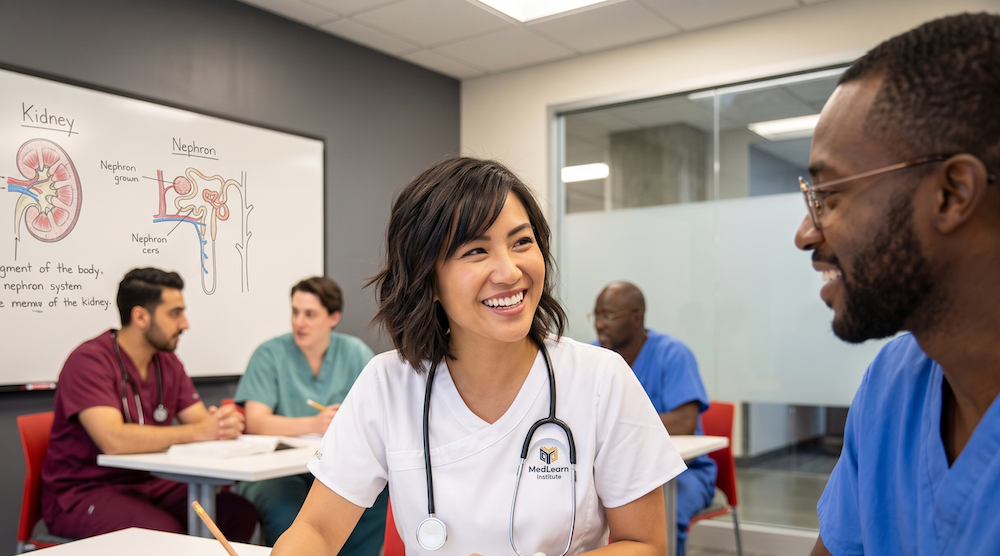
Summer is more than a break from school. For students pursuing a career in medicine, dentistry, or healthcare administration, it is one of the best windows of the year to gain real clinical experience.
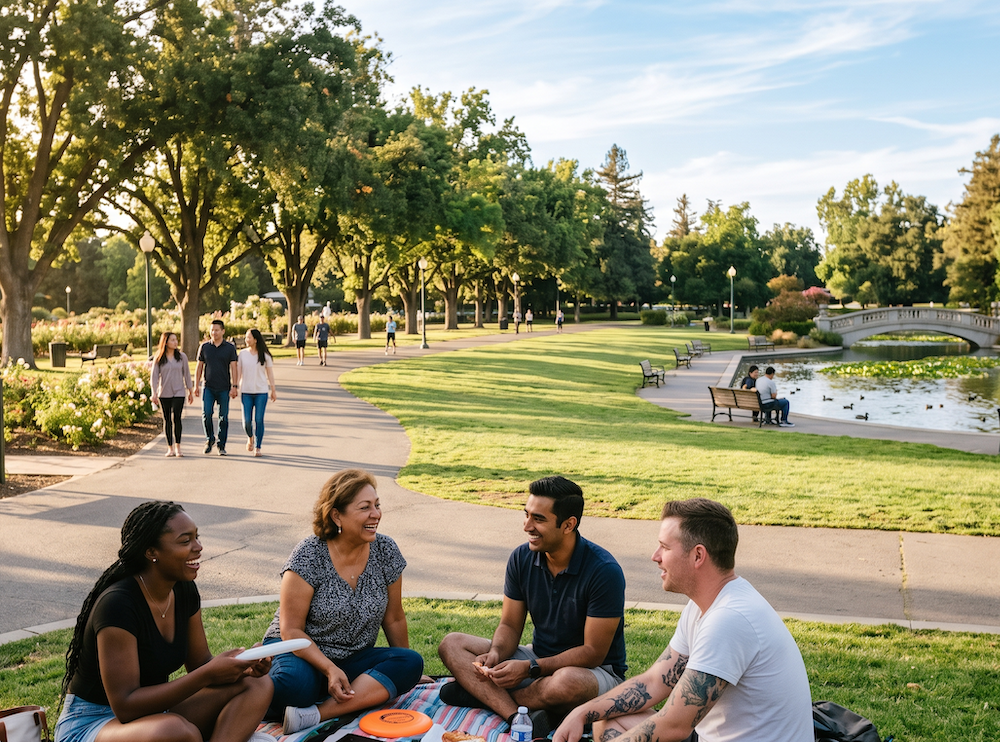
Caring for Sacramento with Affordable, Patient-Focused Healthcarepost
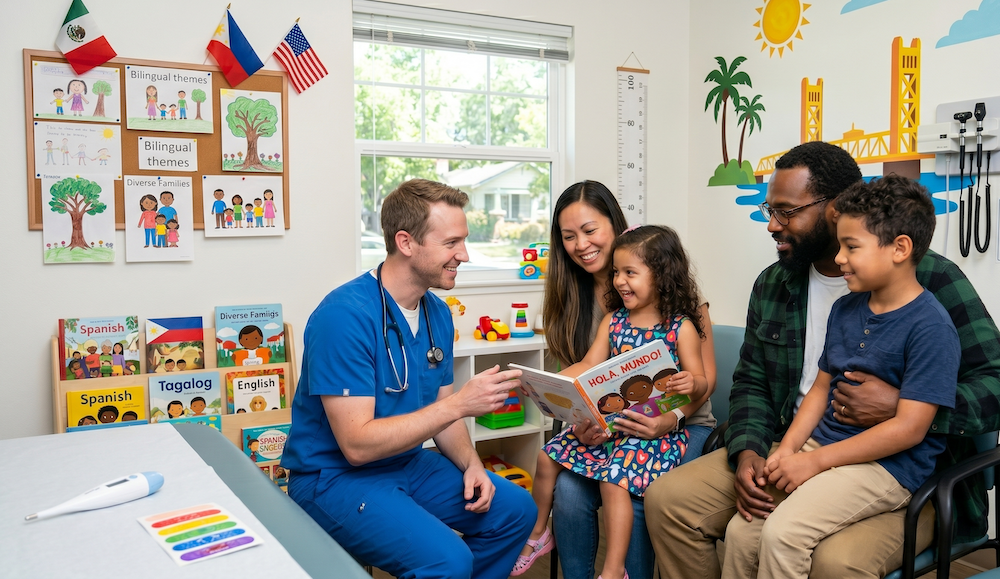
At HALO, it is our goal to provide your family with compassionate pediatric services that will assist your child in thriving.
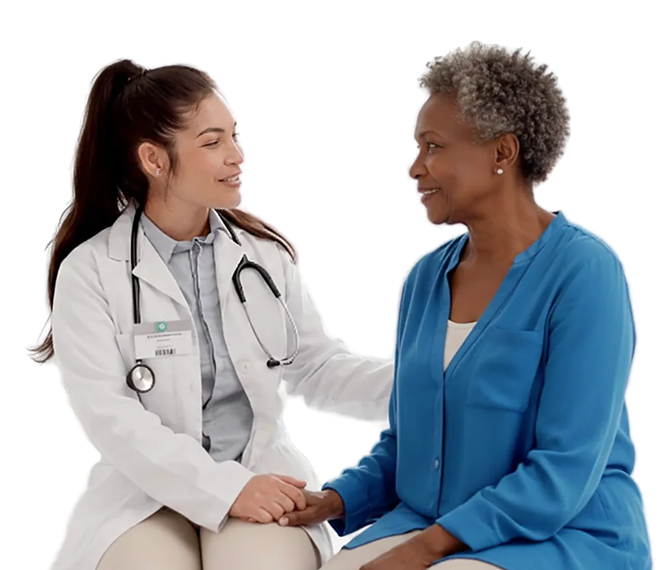
Behavioral health professionals are always seeking to make a meaningful difference in people’s lives. However, it can become easy to feel disconnected from that original purpose when productivity metrics, limited patient interaction, or repetitive caseloads dominate the workday. Working for a nonprofit health organization that offers behavioral healthcare can reconnect professionals with the reason many entered the field in the first place, which is helping people who truly need it. As a non-profit organization in Sacramento, we at Health And Life Organization (HALO) demonstrate how nonprofit healthcare companies can offer both professional growth and meaningful community impact. While nonprofit work can be misunderstood as financially limiting, many organizations now offer competitive compensation along with opportunities that are difficult to find in traditional private practice settings. Exposure to More Diverse Populations One of the biggest advantages of nonprofit behavioral health work is the opportunity to serve people from a wide range of cultural and socioeconomic backgrounds. Professionals in nonprofit settings often work with: Immigrant and refugee communities Uninsured or underinsured individuals Children and families facing housing or food insecurity Older adults with limited support systems Patients managing both physical and behavioral health conditions Individuals who have historically faced barriers to mental healthcare This experience helps professionals become culturally responsive, adaptable, and empathetic clinicians. Rather than working within that narrow demographic, we are developing professionals that have a deeper understanding of how trauma, poverty, chronic stress, discrimination, language barriers, and social determinants of health influence mental wellbeing. These experiences strengthen both clinical judgment and human connection. Understanding Real-World Mental Health Challenges Nonprofits frequently serve patients with unique life circumstances that cannot be understood through symptoms alone. Mental health professionals in these environments gain firsthand insight into challenges such as: Financial instability Family caregiving stress Community violence Substance use Chronic medical conditions Transportation barriers Social isolation Intergenerational trauma This experience helps clinicians be more effective in assessment, treatment planning, and long-term patient engagement. For many therapists, counselors, psychologists, and social workers, nonprofit work becomes an education that extends far beyond graduate school. The Opportunity to Contribute Where Care Is Needed Most Underserved communities continue to experience major gaps in access to behavioral healthcare across California and the rest of the United States. Nonprofit organizations, including us at HALO, often step in where services are limited or unavailable, helping individuals receive support regardless of their income, insurance status, or background. Working in these settings allows behavioral health professionals to contribute to something larger than themselves. Many clinicians have described nonprofit work as deeply fulfilling because they can directly see their impact in the community. Supporting a patient through crisis stabilization, helping a teenager access counseling for the first time, or assisting families navigating severe stress can create lasting change that extends beyond the therapy room. Integrated Care Creates Stronger Clinical Experience Here at HALO, we provide integrated healthcare environments where behavioral health professionals collaborate with medical and dental teams. This interdisciplinary approach gives clinicians exposure to the connection between physical and behavioral health, including how conditions such as diabetes, chronic pain, anxiety, depression, and trauma overlap. Working alongside primary care providers, case managers, and support staff helps clinicians develop their collaboration skills and a more holistic understanding of patient care. These experiences are increasingly valuable in today’s healthcare landscape. Professional Growth and Skill Development Nonprofit settings often accelerate professional development because clinicians encounter a broader range of cases and challenges. Professionals can gain experience in: Crisis intervention Trauma-informed care Community outreach Short-term and long-term therapy Group counseling Integrated behavioral health Multidisciplinary collaboration Culturally responsive care This hands-on experience can strengthen confidence, resilience, and clinical versatility early in a career. For newer clinicians especially, nonprofit work can provide a foundation that shapes them into stronger and more well-rounded professionals. Competitive Compensation Is Becoming More Common Nonprofit work comes with the assumption that it means sacrificing financial stability. Many nonprofit healthcare centers now offer competitive salaries and benefits, which may vary by organization. Organizations focused on community healthcare understand the importance of retaining high-quality clinicians and investing in their teams. Organizations such as HALO demonstrate that professionals can pursue mission-driven work while finding stable and rewarding career opportunities. Purpose-Driven Work Matters Burnout in mental healthcare is real. Many professionals eventually find that meaningful work environments are just as important as compensation. Nonprofit organizations such as ours often foster a stronger sense of mission, collaboration, and community connection. Clinicians frequently report feeling more aligned with their values when serving populations that genuinely need support and compassionate care. For professionals seeking both personal and professional fulfillment, nonprofit behavioral health work can offer purpose, which is difficult to quantify. Working for a nonprofit organization is not just about giving back. It is also about becoming a stronger clinician, gaining broader experience, understanding diverse communities, and participating in work that has tangible social impact. HALO is proof that nonprofit behavioral healthcare can combine meaningful service, professional development, interdisciplinary collaboration, and competitive career opportunities. HALO also offers student loan assistant and repayment programs (NHSC Loan Repayment Program) with some eligibility requirements. For many behavioral health professionals, nonprofit work becomes more than a job. It becomes a reminder of why they entered the field in the first place. Check our our available https://www.halocares.org/employment to learn more: https://www.halocares.org/employment

When most people picture a career in healthcare, they think of doctors and nurses. But walk into any community clinic on a Monday morning and you will see something different. There is the woman at the front desk who remembers a patient's name and asks about their grandkids. There is the scheduler patiently working through a phone call in Spanish, then Hmong, then English. There is the records specialist quietly making sure a referral does not fall through the cracks. None of them are wearing a stethoscope, and yet none of the care happening that day would be possible without them. These are non-clinical healthcare jobs, and they are the backbone of how a community health center actually runs. In Sacramento, where neighborhoods like Del Paso Heights, Oak Park, North Highlands, and Rancho Cordova are home to families who often face real barriers to care, these roles matter even more. At Health And Life Organization (HALO) , non-clinical team members are not support staff in the background. They are part of the mission. What Non-Clinical Healthcare Jobs Actually Look Like Non-clinical healthcare jobs are the positions that keep a clinic running without providing direct medical treatment. These professionals handle the front desk, the phones, the records, the billing, the schedules, the supplies, the cleaning, the compliance paperwork, and the conversations that help patients feel like a person instead of a chart number. You will find these roles in hospitals, specialty clinics, dental offices, behavioral health programs, rehab centers, and community health centers like HALO. For people who want to work in healthcare but feel more at home with communication, organization, customer service, technology, or operations, this is often a better fit than a clinical track. The work is steady, it is local, and it has meaning attached to it. The Roles That Keep a Community Clinic Running A clinic the size of HALO needs a wide range of non-clinical professionals. Here are the roles that show up most often.\ Administrative and front office. These are the people who set the tone for a patient's entire visit. Receptionists, schedulers, patient access representatives, medical office coordinators, and unit clerks help patients book appointments, complete paperwork, navigate referrals, and stay connected with their care team. In a community health setting, this role often involves a lot of patience and cultural awareness, because the person on the other side of the desk may be brand new to the healthcare system. Medical records, billing, and health information. Every patient visit produces information that has to be coded, filed, billed, and protected. Medical records specialists, health information technicians, billing specialists, coders, and insurance verification staff all work behind the scenes to make sure the financial and clinical sides of the clinic stay in sync. HIPAA training and attention to detail are essential here. Operations and management. Practice managers, clinic operations coordinators, HR professionals, compliance specialists, and health services managers are the people who keep workflows efficient, staff supported, and quality standards consistent across multiple locations. At a multi-site organization like HALO, this is a real challenge and a real opportunity. Support services. Housekeeping, patient transport, security, maintenance, and food service teams are part of why a clinic feels safe and welcoming. A clean, well-run waiting room is not a small thing when a parent is bringing in a sick child. Patient-facing non-clinical roles. Medical scribes, patient coordinators, care navigators, patient observers, and community outreach staff work directly with patients without delivering clinical care. In Sacramento's diverse neighborhoods, care navigators and outreach workers are often the bridge between a family and the services they need. Why This Work Matters in Sacramento Sacramento is one of the most diverse regions in the country, and its healthcare needs reflect that. The city and surrounding communities continue to grow, and so does the gap between people who can easily access care and people who cannot. Cost, transportation, language, and trust all play a role. HALO was founded in 2003 and designated as an FQHC Look-Alike in 2008 specifically to serve low-income, ethnically diverse, and underserved residents in the Sacramento area. Today HALO operates nine community clinics serving more than 40,000 patients with close to 15,000 monthly encounters. Those numbers only work because of the people who answer the phones, manage the schedules, process the records, and keep the doors open. HALO clinic locations include: Halo El Camino , 965 El Camino Ave., Sacramento, CA 95815 Halo Del Paso , 2200 Del Paso Blvd., Sacramento, CA 95815 Halo Assembly Court , 5524 Assembly Court, Sacramento, CA 95823 Halo Explorer Drive , 3030 Explorer Drive, Sacramento, CA 95827 Halo B. Teri Burns Clinic , 3314 Fong Ranch Rd., Sacramento, CA 95834 Halo Watt Dental , 4986 Watt Ave. Ste D, North Highlands, CA 95660 Halo 55th Street Clinic , 7215 55th St., Sacramento, CA 95823 Halo Southgate Dental , 7275 E. Southgate Dr., Sacramento, CA 95823 Halo Sunrise , 2485 Sunrise Blvd. Ste A, Rancho Cordova, CA 95670 Halo Stockton Dental , 5200 Stockton Blvd., Ste 110, Sacramento, CA 95820 Whether you live in Natomas and could walk to the B. Teri Burns Clinic on your lunch break, or you commute through Rancho Cordova on Sunrise Boulevard, or your kids go to school near Oak Park or South Sacramento, there is likely a HALO site within a short drive. That matters when you are looking for a job that does not require a long commute and contributes to the community you actually live in. Skills That Carry Over Well A lot of people who do well in non-clinical healthcare roles did not start in healthcare. They came from retail, customer service, hospitality, banking, education, or office administration, and they brought transferable strengths with them. The skills that translate best include clear communication, strong organization, comfort with scheduling and multitasking, solid computer skills, attention to detail, cultural sensitivity, team collaboration, and a working understanding of patient privacy. Some roles, especially in billing, coding, records, or healthcare administration, may ask for additional certifications or training, but many positions will train the right person on the systems and the workflows. If you are bilingual, particularly in Spanish, Russian, Hmong, Vietnamese, Dari, or Arabic, that is a real asset in Sacramento community health work and worth highlighting on your application. What It Is Like to Work at HALO Most people who stay in community health do it for one reason. The work feels like it counts. At HALO, both clinical and non-clinical employees are part of improving health outcomes for Sacramento-area families who might not otherwise have a place to turn. Team members often point to the things that are hard to put a number on. A collaborative environment. Coworkers who care. Exposure to integrated care across primary care, dental, behavioral health, OB/GYN, and specialty services. A culturally inclusive workplace. Real opportunities for professional growth. The chance to know that your work is helping someone in your own city. It is not a polished corporate environment. It is a community clinic. The pace is steady, the patients are real, and the impact is local. Explore Career Opportunities at HALO At HALO, every role matters. Front office coordinators, schedulers, billing specialists, operations staff, outreach workers, dental assistants, medical providers, behavioral health professionals, and community support staff all play a part in why a patient walks out feeling cared for. HALO offers career opportunities for both clinical and non-clinical professionals across all nine Sacramento-area locations, including full-time, part-time, and temporary or seasonal roles. If you are starting out in healthcare, transitioning into mission-driven work, or looking for a job where what you do actually shows up in your community, explore current openings at HALO and find out where you fit.